




Noticias
Can You Trust a Supplier Without a European Sales Office?

Many European buyers’ first instinct when screening Chinese suppliers is to look for companies with a local office or sales agent. That makes sense: a European office means similar time zones, easier language communication, and someone to turn to when things go wrong. But making “whether they have a European office” the only criterion for trust can lead buyers to miss factories that are actually doing solid work. An office represents market presence, not production capability or integrity.
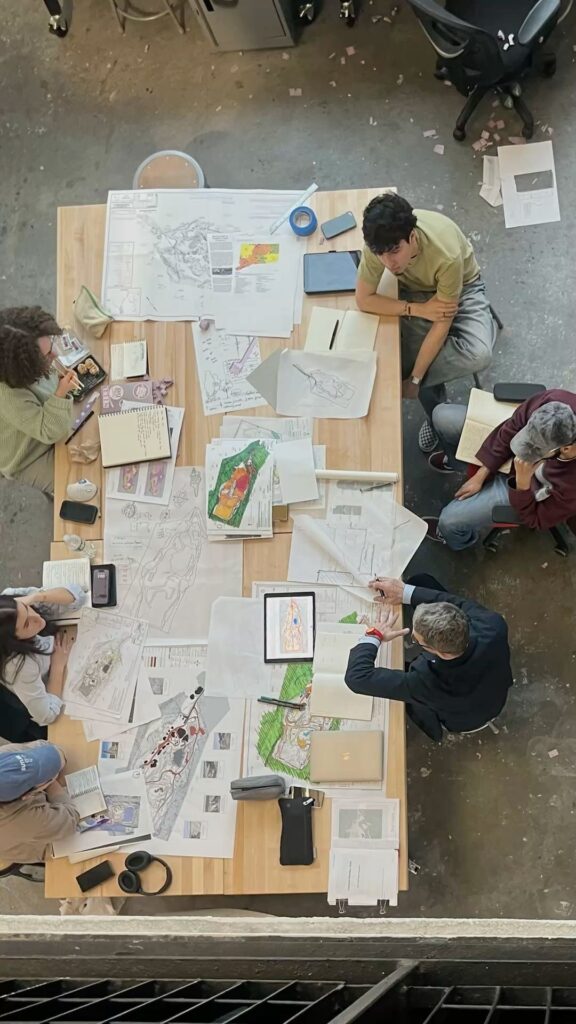
Suppliers with a European office do have an advantage in communication efficiency. Clients can discuss orders in a local language, send samples to a local address, and reach someone during European working hours when problems arise. For clients who need frequent small-batch communication and fast style changes, this local support saves time. However, offices are expensive, and that cost eventually shows up in the quotation. Some trading companies are willing to set up European offices because their margin structure allows it; some factories focused on manufacturing may instead invest their money in equipment and worker training.
default
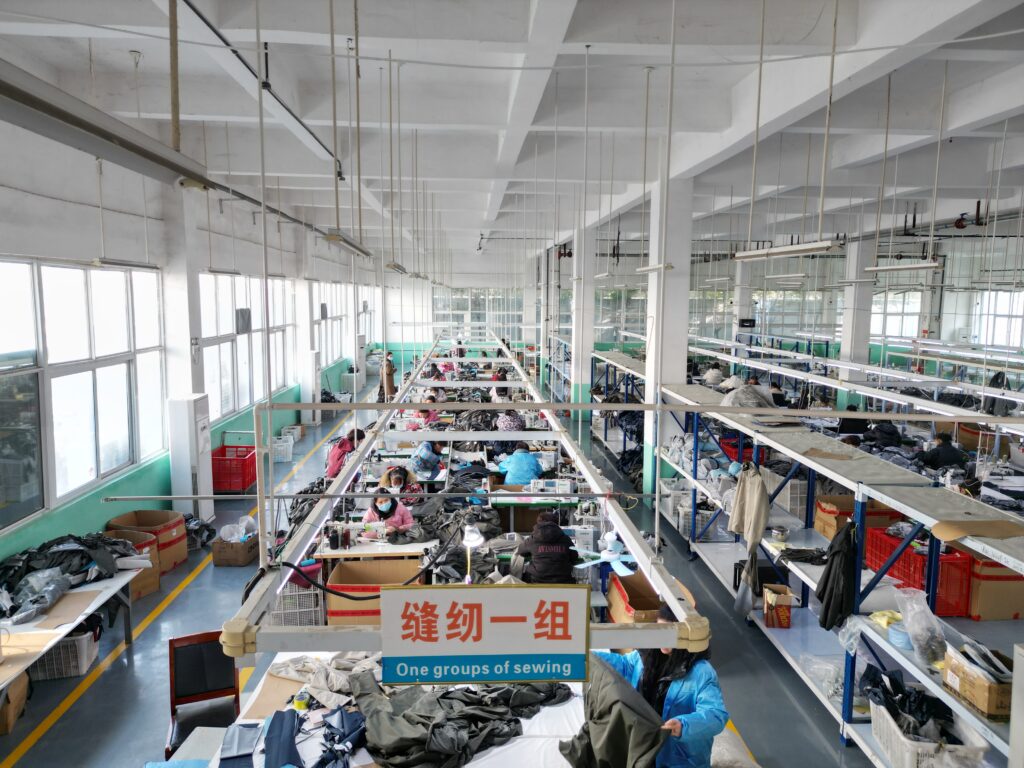
So, can you work with a supplier that has no European office? The answer depends on three things. First, whether they have stable export experience. A factory that has been supplying European orders for more than ten years is familiar with European customer requirements, standards, and rhythms even though it is based in China. Second, whether their communication is professional. Having a dedicated person handling English emails, replying promptly and explaining things clearly, says more than the presence of an office. Third, whether they accept third-party verification. A factory willing to accept client-appointed inspections, video factory tours, and real customer references has a stronger foundation of trust than one that relies only on verbal promises.
default
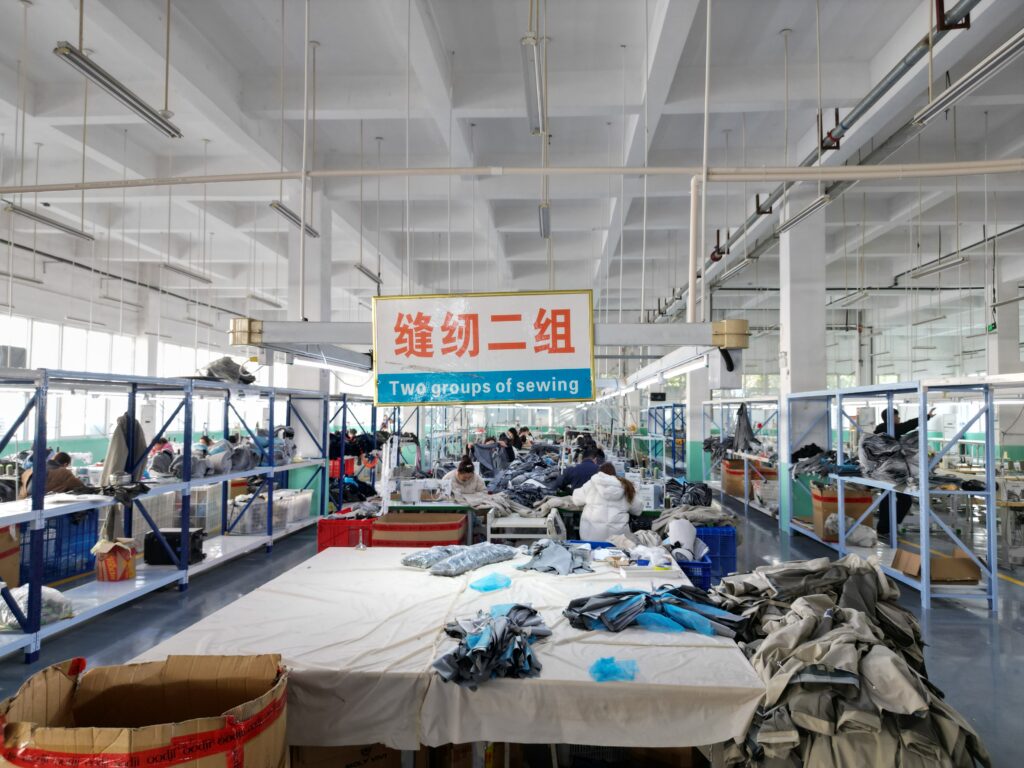
Working directly with a factory actually has some unexpected benefits. Quotations are usually more direct because there is no middle agent adding margin. Technical communication is smoother because designers and technicians can directly answer questions about fabrics, patterns, and workmanship. Decision chains are shorter, so issues like bulk color changes or delivery adjustments can be resolved faster. Many European buyers later realize that what they really need is not a sales representative nearby, but a factory that can deliver on time and to quality.

Of course, the absence of a European office also creates practical challenges. Time differences mean email replies are concentrated during Chinese daytime and European afternoon hours. For urgent issues, communication needs to be scheduled in advance. On language, although most export factories have English-speaking staff, accents and expression habits can cause misunderstandings. Contracts, payment terms, and quality standards should be written more clearly, because there is no local legal framework that can easily be used if something goes wrong.
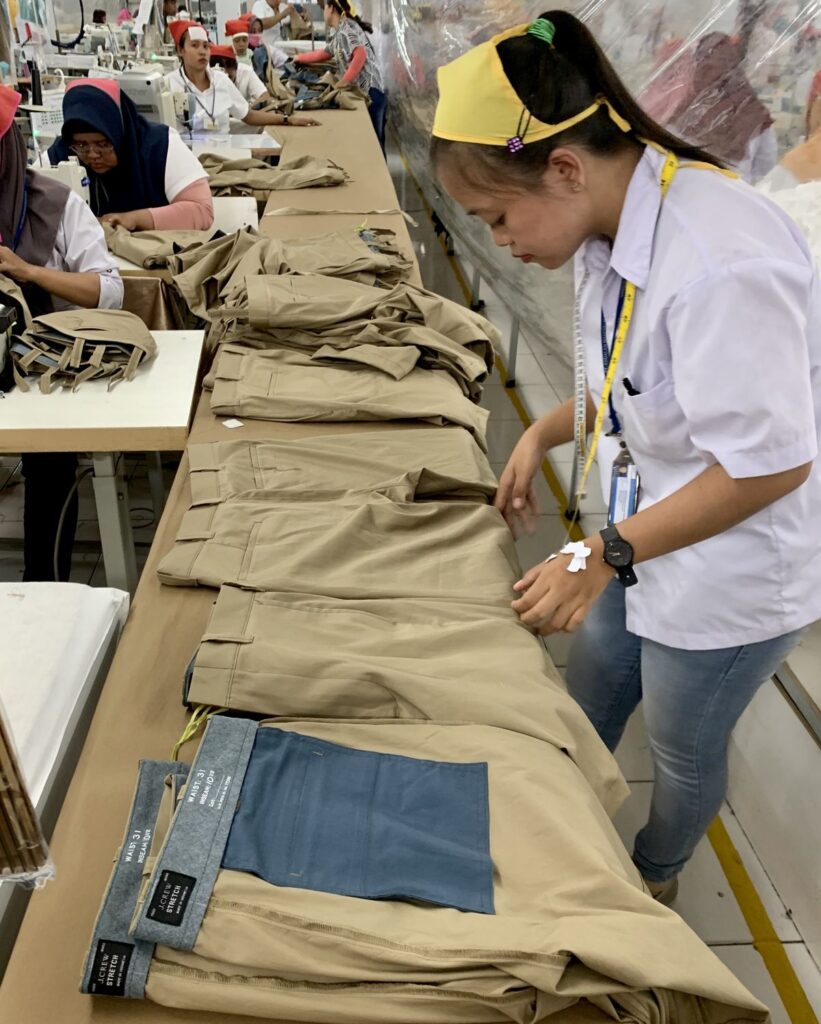
For buyers who want to cooperate, there are several actions that can reduce risk. Before starting, arrange a video factory tour to see the workshop, sample room, and ongoing orders. Keep the first order small to test communication, quality, and delivery. Take detailed photos during the sample stage to confirm fabric, color, size, and trims. For payment, choose a method that protects you, such as 30% deposit plus 70% against copy of B/L, or use a letter of credit. Arrange third-party inspection before shipment to confirm that bulk goods match the samples.

In the end, whether a supplier can be trusted depends not on whether it has a European storefront, but on whether it takes the customer’s business seriously. Offices can be rented, and people can be replaced; but on-time delivery, careful samples, and accountability when problems arise are what cooperation is built on. For European buyers, rather than excluding a supplier simply because it lacks a local office, it is better to spend time verifying whether it really has the ability to do export properly.