




Noticias
An Ordinary Day at the Cciola Factory
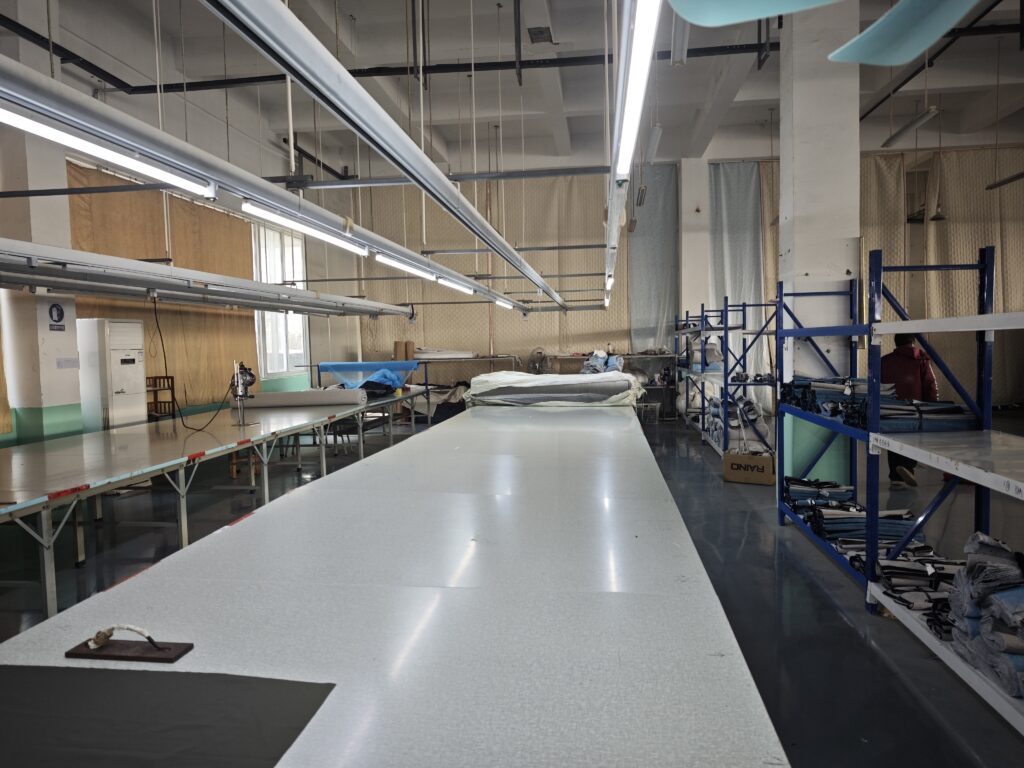
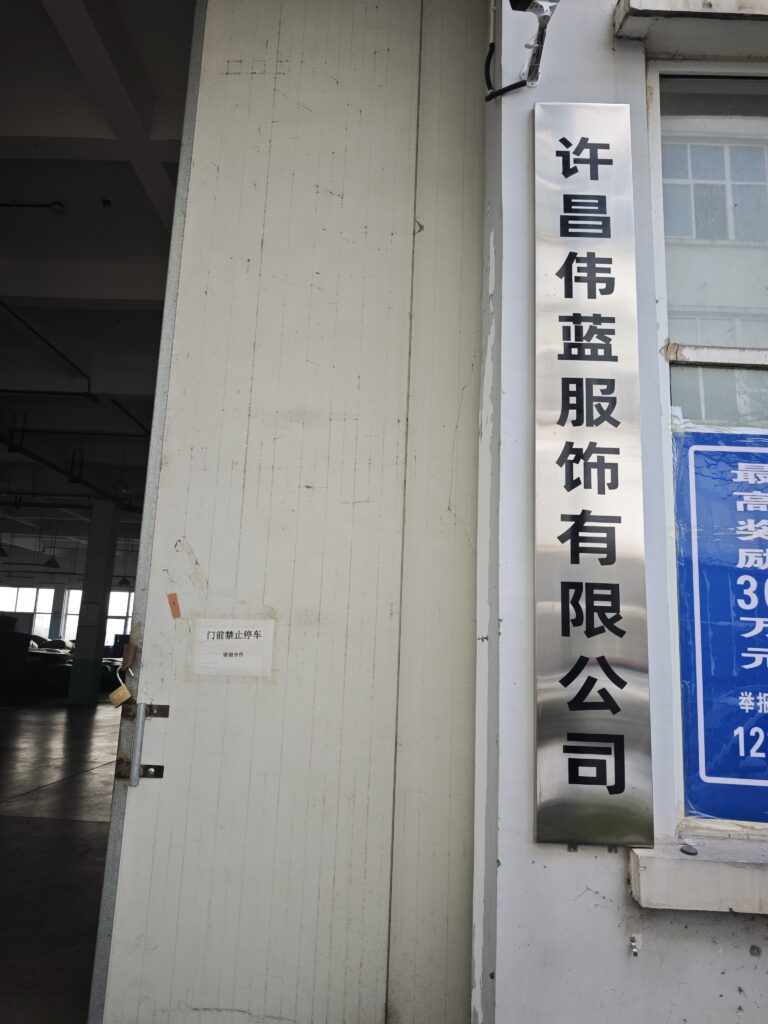
 At 8 a.m., the Xuchang Weilanan factory begins its day. The first process starts in the cutting workshop — not with machines first, but with several people checking a marker layout repeatedly. Today’s cutting is a batch of winter jacket fabric; width, layer count and pattern alignment direction must all be confirmed before the blade drops, because one mistake means thousands of subsequent pieces go wrong together. The veteran measures again and again with a ruler while a younger worker records the numbers. This seemingly slow step actually saves the entire production line from all possible rework later.
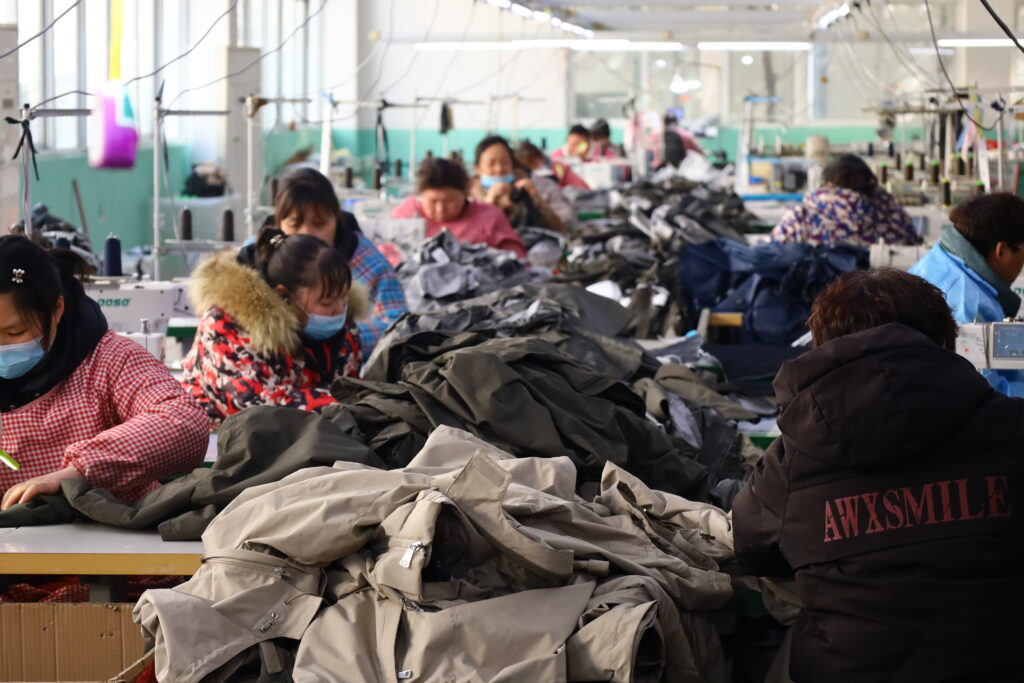
Just past 8 o’clock, the sewing workshop gradually fills. The simultaneous hum of over a hundred flat machines is the factory’s most familiar opening line. Winter jackets have more processes than ordinary jackets — filling, quilting, joining, sleeve attachment, zipper installation, topstitching — each with its own station. People on the line don’t necessarily talk, but their rhythm is tacit; if one station slows, the next piles up. The line’s balance depends on everyone controlling their few centimeters of stitch spacing. The filling workers rely most on experience; the force in their hands determines whether each compartment is evenly full. Whether the garment lies flat on the customer depends half on this stage.
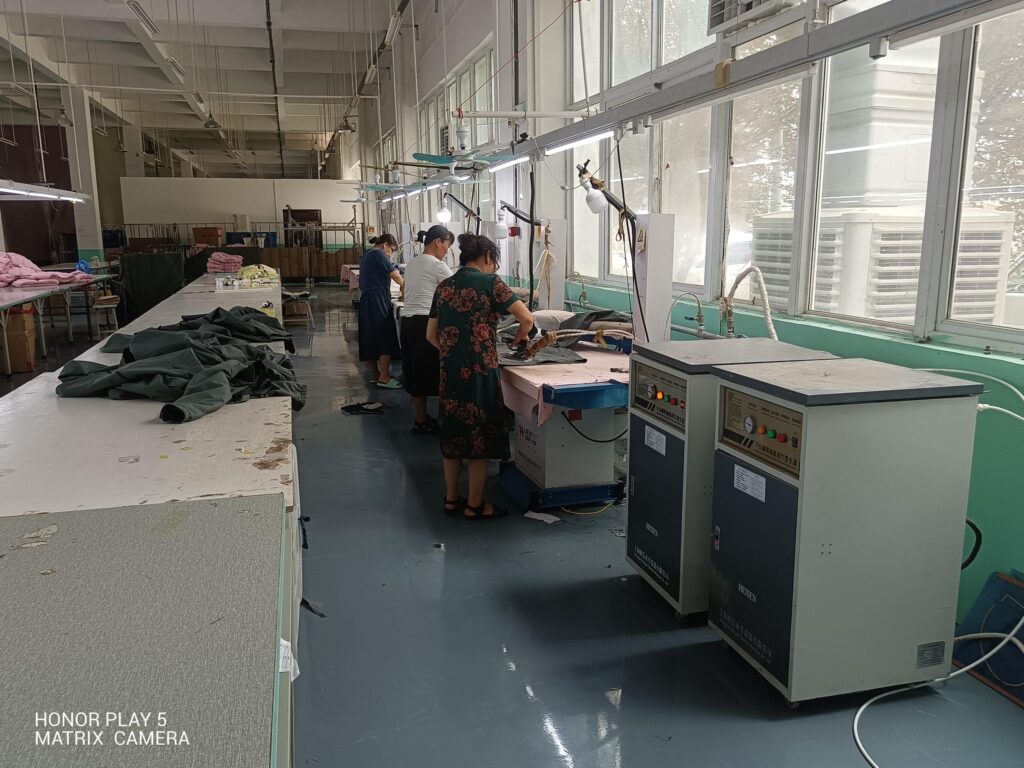
Around 10 a.m., the pattern maker in the technical department has already spent most of the morning in the sample room. A new European-order style is being sampled today; the client proposed several revisions. The maker dresses the sample on the mannequin, taking in half a centimeter here, letting out two millimeters there, then having an assistant try it on to check the effect. The sample room isn’t large but is stacked with half-finished pieces at every stage, walls covered with dense spec sheets and size charts. Getting a garment from sketch to order-ready often means grinding through seven or eight rounds here. The maker says: one more day of grinding at sampling means a hundred fewer problems in bulk.
At noon, the machines briefly fall silent and the canteen’s aroma drifts out. Workers sit in small groups along the outer corridor with lunch boxes, talking mostly about work — which fabric batch feels stiff, which client’s silhouette is especially demanding on craftsmanship. This casual mealtime exchange is actually experience flowing between people. Many new workers learn fast not from training manuals but from an older worker’s offhand remark: “stitch this part from the reverse.”
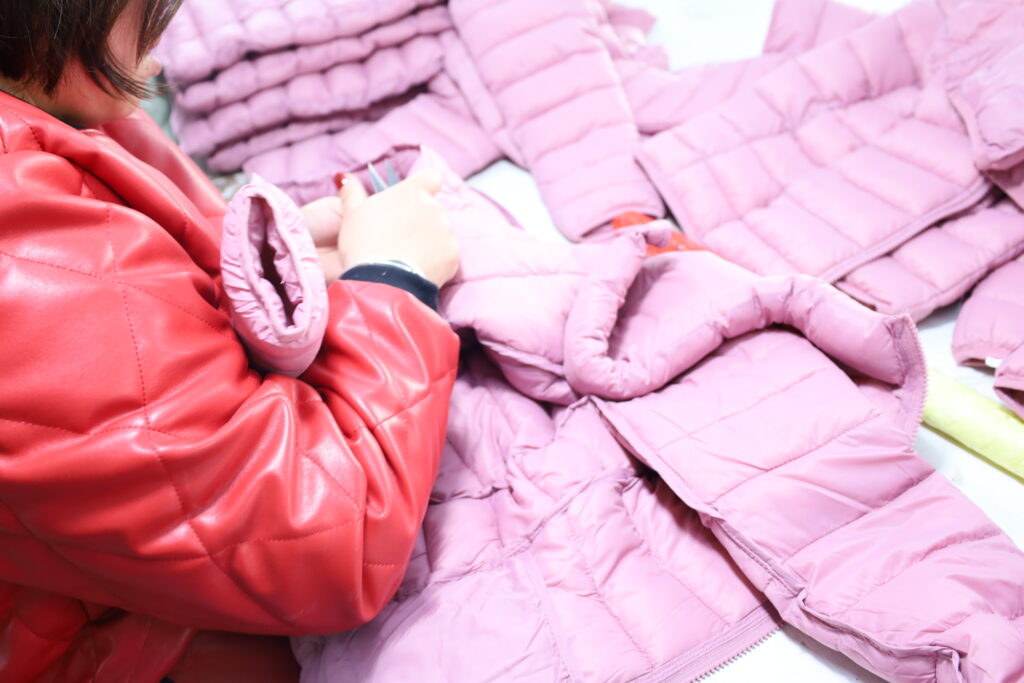
At 2 p.m., the quality inspection area enters its busiest stretch. Mid-production inspectors hang each freshly finished winter jacket, checking filling evenness, loose threads, zipper smoothness and whether size and care labels match the spec. Problems get tagged and returned to the corresponding station for repair. Final inspection is stricter — the whole batch is carton-sampled, counted and photographed for records; one discrepancy holds the entire shipment. The workshop supervisor’s phone screen always shows the production progress table; which style is behind, which accessory batch hasn’t arrived, is visible at a glance, followed by a round of phone coordination.
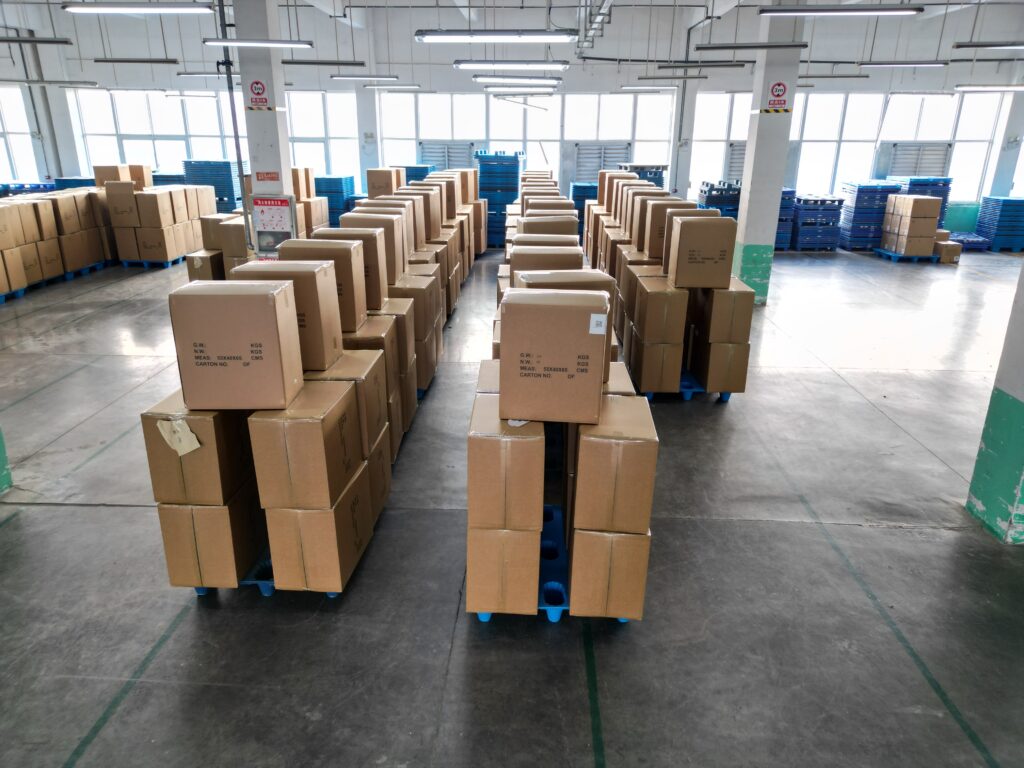
Approaching 5 p.m., the delivery truck waits at the gate to load the container. Today’s batch is a winter order bound for Europe, cartons stacked neatly, each labeled with weight for easy sorting at the overseas warehouse. Loaders move efficiently — miss one sailing schedule and the goods sit at port for extra days. As the truck pulls away, the site gradually quiets and the off-duty bell is about to ring, but the sales and merchandising offices still glow with light, answering emails from clients in other time zones, confirming next season’s sampling progress and delivery dates.
The day’s end looks plain, yet a garment worn by countless strangers walks out piece by piece from these seemingly repetitive processes. Cciola has made clothing for over twenty years; what changes may be equipment, fabrics and order sources, but what stays constant is always the people on the floor and their stubbornness that “this garment must not embarrass us when it goes out.” An ordinary day, backed by extraordinary patience.