




Noticias
How to Choose Jacket Fabric Weight? A Complete Guide to GSM and Durability
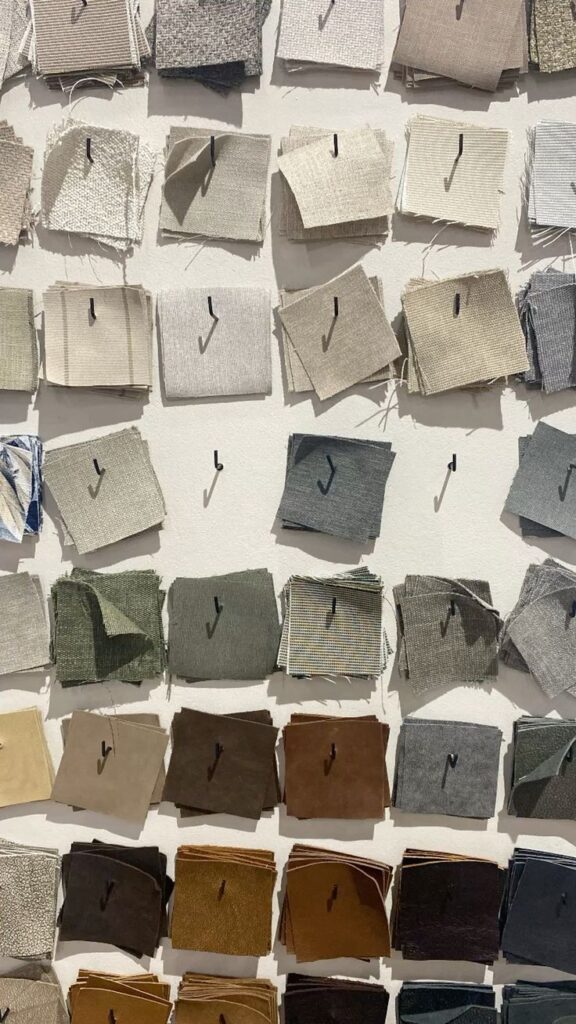
When sourcing jackets, most buyers focus on fabric composition and hand feel, but few truly understand one critical parameter: fabric weight, or GSM. GSM stands for “Grams per Square Meter” and directly determines a fabric’s thickness, hand feel, and durability. The same 300D Oxford fabric, if its weight drops from 160GSM to 130GSM, may cost 20% less, but its durability will decrease by more than half. Many low-cost suppliers cut corners on fabric weight to lower prices, and buyers often only discover the problem after receiving bulk orders.
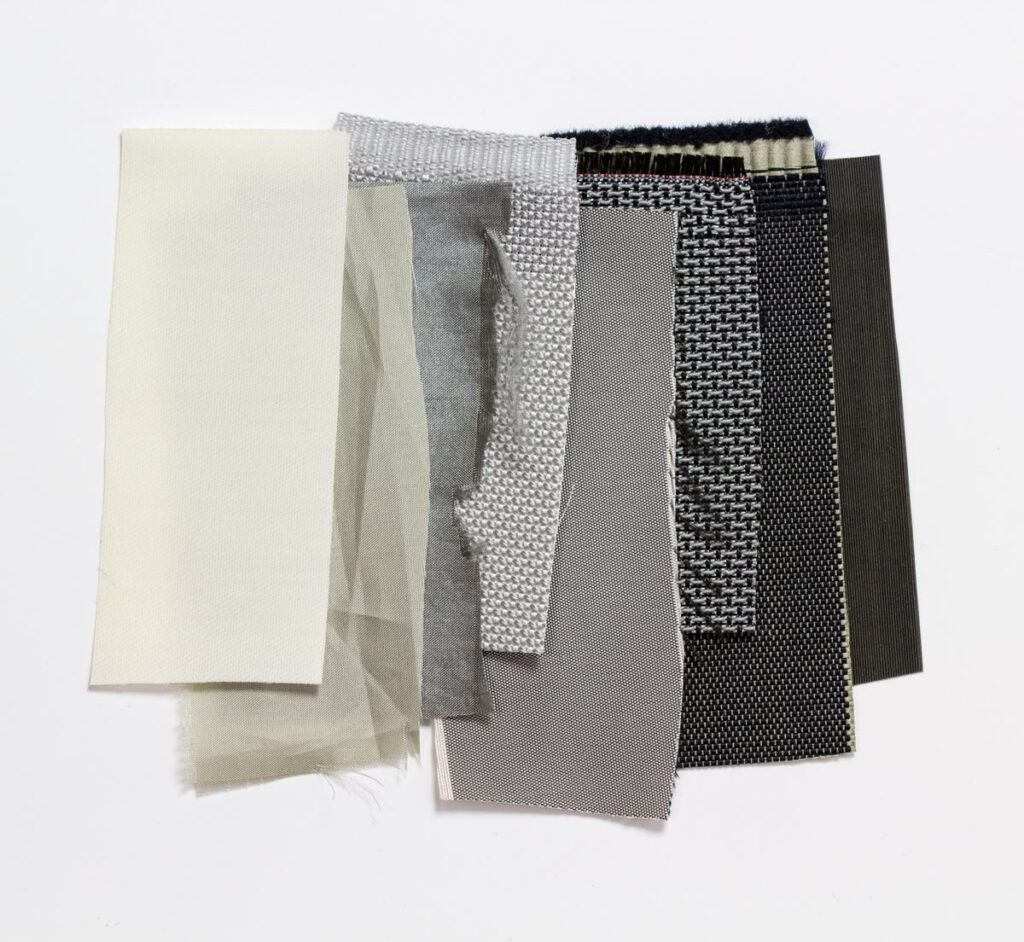
The relationship between fabric weight and durability follows a simple rule: the higher the GSM, the tighter the fabric weave, and the stronger its abrasion and tear resistance. Taking standard 300D polyester Oxford as an example, fabrics above 160GSM can effectively withstand daily friction and wind erosion, making them suitable for outdoor work jackets and functional outerwear. Lighter versions below 140GSM may feel softer and cost less, but they are more prone to wear at seams and may deform after washing. Many buyers only look at fabric names when comparing prices, ignoring GSM data, and end up receiving bulk goods that differ significantly from samples — simply because different suppliers use different weights of “the same” fabric.
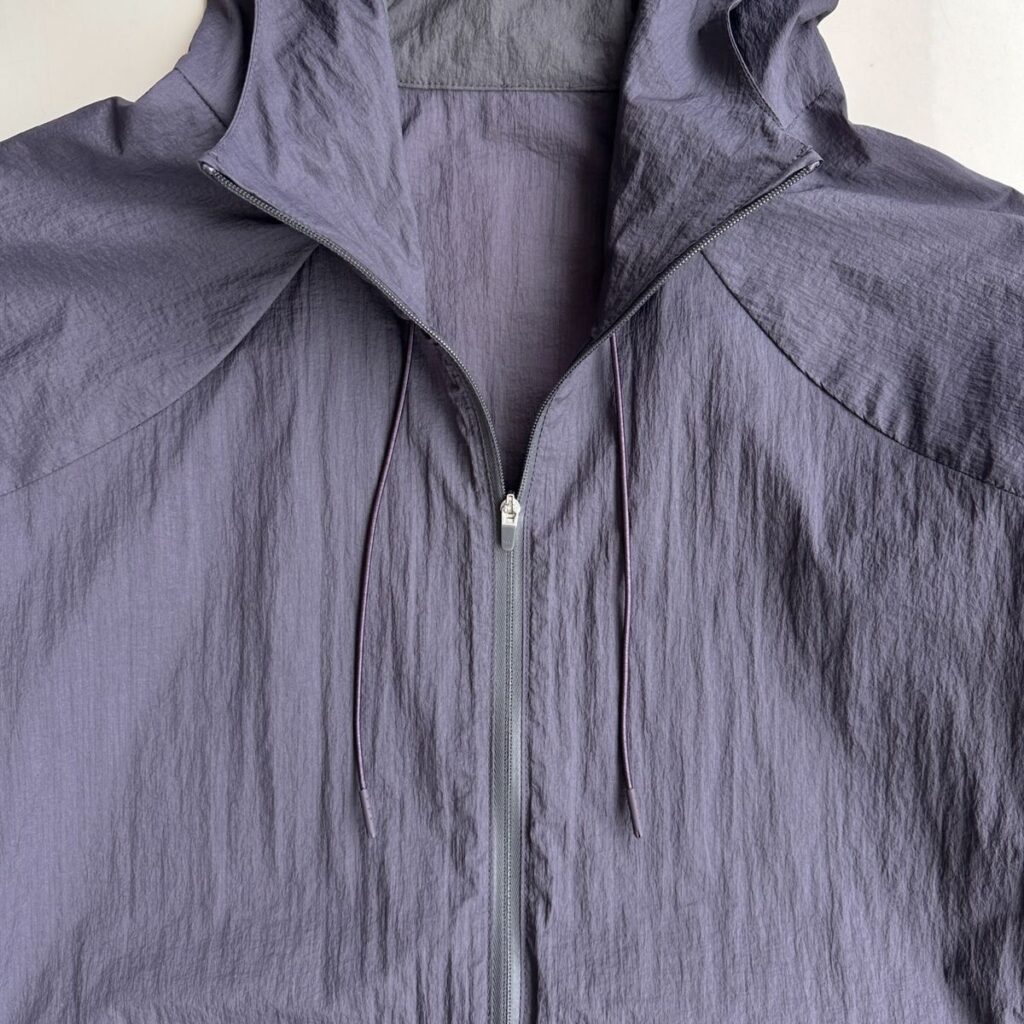
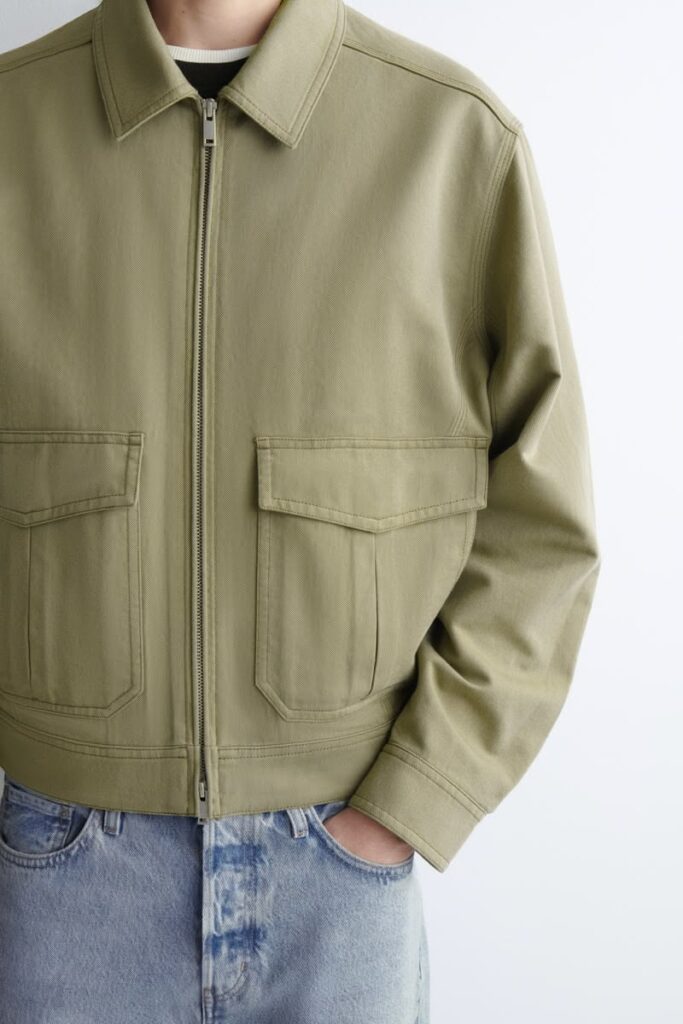
Different jacket applications require different fabric weights. Lightweight down jackets and liner jackets typically use thin fabrics between 120-140GSM to reduce overall weight and improve comfort. Urban commuter jackets and casual outerwear are best with medium weights between 150-180GSM, balancing structure and comfort. Workwear jackets and outdoor utility jackets require heavy fabrics above 180GSM to withstand harsher use conditions. Before placing orders, buyers should clarify the product’s intended use and request specific GSM data from suppliers, rather than vague descriptions like “a bit thicker” or “a bit thinner.”
At Cciola, we test the GSM of every fabric batch to ensure actual weight stays within 3% of the nominal value. We’ve seen too many buyers suffer from fabric weight issues: samples are 170GSM, but bulk goods are secretly switched to 150GSM; or contracts only specify “300D Oxford,” and the buyer discovers upon delivery that it’s the lightest version on the market. To avoid such problems, we clearly state GSM data in our quotations and provide fabric test reports before bulk production, so buyers know exactly what they’re getting before manufacturing begins. This is why many long-term European clients choose to work with us year after year — they know Cciola doesn’t play word games with specifications.
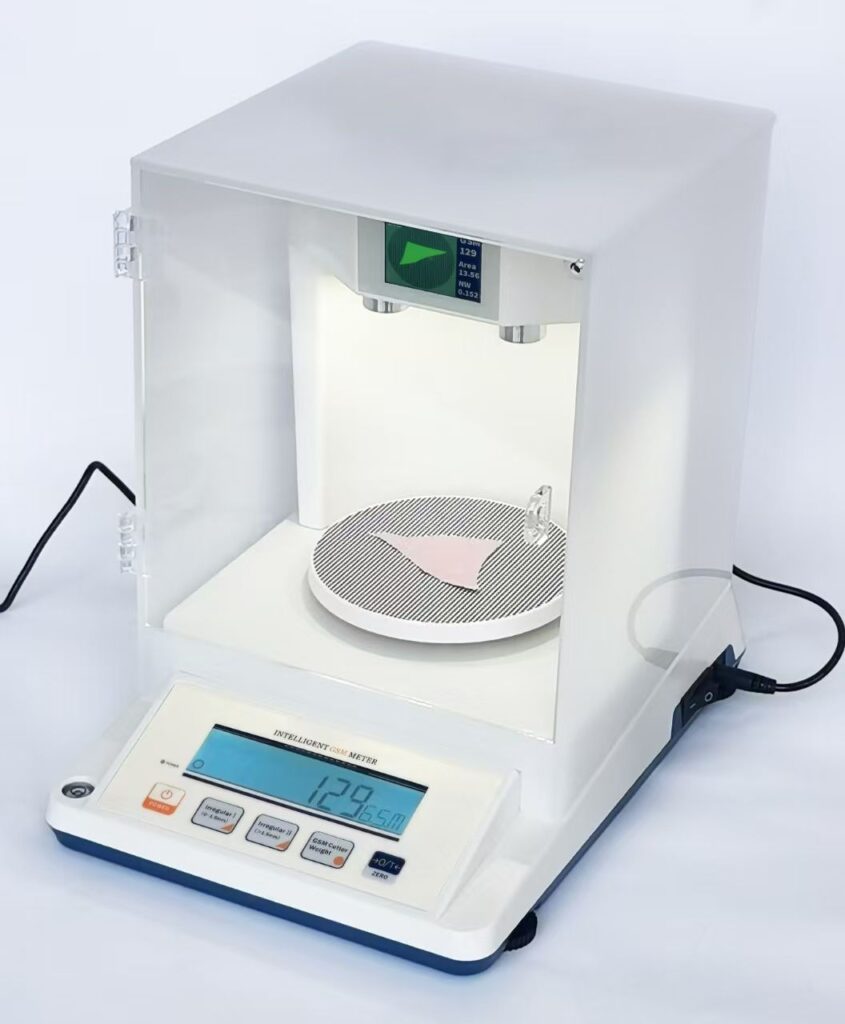
For first-time buyers, we recommend a “sample approval + reference sample retention” approach. During sample confirmation, don’t just check appearance and hand feel — also measure the actual fabric weight and request a fabric swatch to be sealed and retained. Before bulk production, compare the retained sample with bulk fabric through testing. If weight deviation exceeds the agreed range, you can immediately request replacement or stop production. This process adds one extra step but prevents much greater losses later. Many quality disputes essentially stem from both parties not reaching agreement on this hidden parameter — fabric weight.
Understanding GSM doesn’t require professional knowledge — just remember one thing: it’s the fabric’s most honest “body weight” and cannot be faked. When a supplier claims “our fabric is thicker than others,” ask for GSM data. When a quote is significantly below market rates, clarify the weight before placing an order. In this industry, “you get what you pay for” is the golden rule, and GSM is the most direct basis for judging whether “what you pay for” is worth it.
If you are looking for a jacket supplier that clearly states GSM data in quotations, welcome to contact the Cciola team. We can provide fabric swatches, weight test reports, and samples so you can fully understand product specifications before placing an order.